Protected species surveys and advice
Targeted ecological assessment and survey work to identify protected species constraints, support planning applications and inform practical mitigation. We advise on what surveys are genuinely required, when they can be undertaken and how the findings may affect the design, programme and delivery of a project.
Identifying protected species risks
Many buildings, trees, ponds, watercourses and areas of semi-natural habitat can provide opportunities for protected species.
The presence of a protected species does not necessarily prevent development, but it may influence:
The surveys required
The design and timing of works
Planning application information
Mitigation and compensation measures
The need for a protected species licence
Early assessment helps avoid unexpected constraints later in the planning process.
Croft Ecology takes a proportionate approach, based on the habitats present, the nature of the proposals and the likelihood that protected species may be affected.
Our protected species services
-
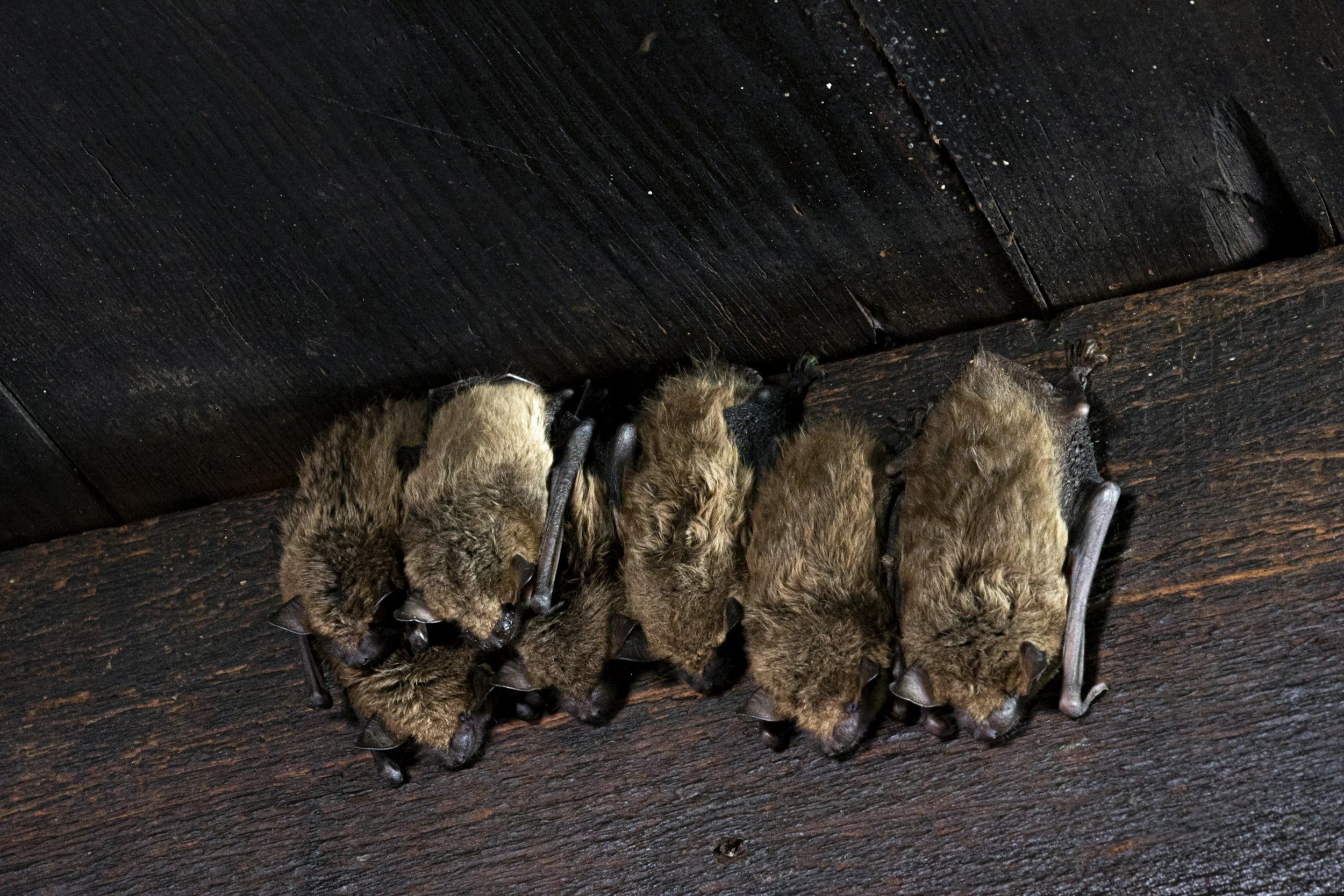
Bats and their roosts are legally protected and may be present within buildings, trees and other structures.
Our bat services can include:
Preliminary Roost Assessments
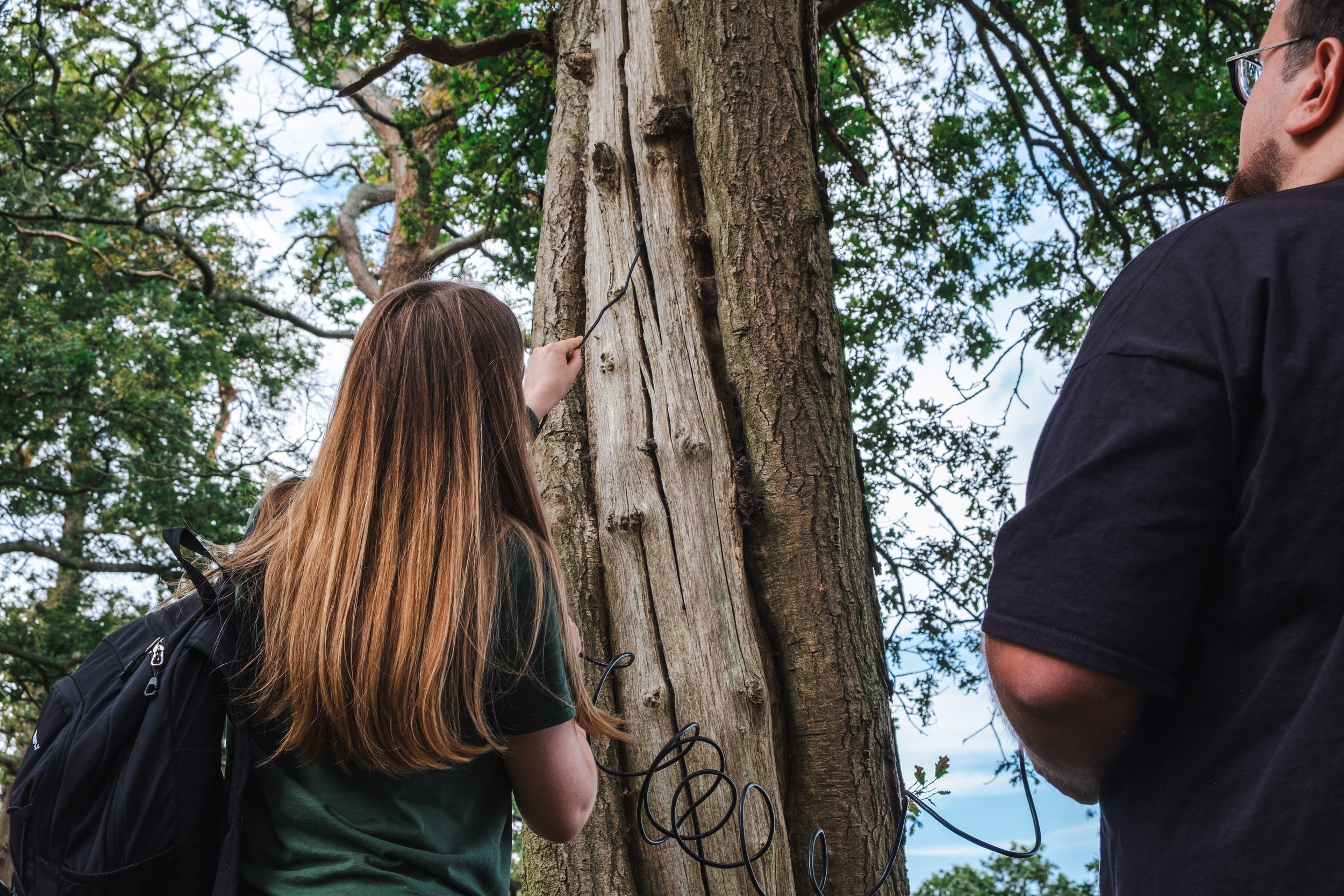
Ground-level tree assessments
Dusk emergence and dawn re-entry surveys
Bat activity surveys
Static detector surveys
Hibernation assessments
Bat mitigation strategies
European Protected Species licence support
Ecological supervision and monitoring
A Preliminary Roost Assessment is often the first stage where works may affect a building or tree. It assesses the suitability of features for roosting bats and determines whether further surveys are required.
Where activity surveys are necessary, these must usually be undertaken during an appropriate seasonal window. Early advice is therefore important, particularly where planning or construction timescales are fixed.
-
Great crested newts and their resting and breeding places are protected by law. Development can affect them even where works do not directly involve a pond.
Our services can include:
Habitat Suitability Index assessments
Pond surveys
Environmental DNA sampling
Population surveys
Terrestrial habitat assessment
District Level Licensing advice
Mitigation and licensing support
The appropriate approach depends on the location of ponds, the quality and connectivity of surrounding habitat and the nature of the proposed works.
In some cases, traditional survey and licensing may be appropriate. In others, District Level Licensing may provide a more proportionate route.
-
Habitats such as rough grassland, scrub, field margins, brownfield land and woodland edges can support reptiles.
Where reptiles may be affected, we can provide:
Habitat suitability assessment
Presence or likely absence surveys
Population assessment
Mitigation strategies
Reasonable Avoidance Measures
Reptile capture and translocation
Habitat creation and enhancement advice
Site supervision
Survey and mitigation requirements depend on the quality and extent of habitat, the likely species present and the scale of habitat loss or disturbance.
-
All wild birds, their nests and eggs receive legal protection while nests are active. Some species receive additional protection.
Our bird-related services can include:
Breeding bird surveys
Wintering bird surveys
Barn owl surveys
Nesting bird checks
Schedule 1 species assessment
Mitigation and enhancement advice
Nesting habitat design
Construction timing advice
For many smaller developments, a full bird survey may not be required. Appropriate working methods and avoidance of active nests may be sufficient. More detailed surveys may be necessary where the site supports significant habitat or could affect notable species.
-
Badgers and their setts are protected by law.
Our services can include:
Badger walkover surveys
Sett classification
Activity monitoring
Bait marking studies where appropriate
Mitigation advice
Sett exclusion and closure licensing
Construction safeguards
Ecological supervision
Because badger activity can change over time, survey information may need to be updated before works begin.
-
Rivers, streams, ditches, canals, ponds and associated banks can provide habitat for otters and water voles.
Our services can include:
Habitat suitability assessment
Field signs surveys
Holts, resting places and burrow assessment
Watercourse impact assessment
Mitigation and compensation strategies
Licensing advice
Construction method statements
Ecological supervision
Survey scope will depend on the type of waterbody, the proposed works and the potential for direct or indirect effects.
-
Depending on the site and proposals, ecological assessment may also need to consider:
Dormice
White-clawed crayfish
Amphibians
Invertebrates
Hedgehogs
Polecats
Rare or protected plants
Other locally notable species
We will advise where specialist survey or further assessment is justified.
Survey timing and seasonal constraints
Some ecological surveys can be undertaken throughout the year, while others are restricted to particular seasons or suitable weather conditions.
For example:
Bat activity surveys are generally seasonal
Great crested newt surveys are linked to the breeding season
Breeding bird surveys must be undertaken during the appropriate part of the year
Reptile surveys require suitable temperatures and weather
Botanical surveys may need to coincide with the flowering season
Missing a survey window can delay a planning application by several months. We therefore recommend seeking ecological advice as early as possible.
Where a full survey cannot be completed immediately, we will explain what can reasonably be established, what remains uncertain and how this may affect the project programme.
From survey findings to practical advice
The purpose of a protected species survey is not simply to record whether a species is present.
Our reports explain:
What was surveyed and why
The limitations of the survey
What the findings mean for the proposals
Whether design changes may be advisable
What mitigation or compensation is required
Whether licensing may be necessary
What should happen next
Where protected species are confirmed, we work with the project team to develop a practical and legally compliant response.
Protected species licensing
Some works affecting protected species or their resting places can only proceed under a licence.
We can advise on:
Whether a licence is likely to be required
The survey evidence needed
The appropriate licensing route
Mitigation design
Licence applications and supporting documents
Timing and programme implications
Site supervision and compliance
Post-construction monitoring
A licence should not be treated as a last-minute administrative step. It may require design commitments, mitigation measures and sufficient time for preparation and determination.
A proportionate approach
Not every suitable-looking habitat contains a protected species, and not every development requires targeted survey work. We recommend surveys where the available evidence indicates a realistic possibility that protected species may be present and affected.
Our advice considers:
The habitats and features present
Existing records
The nature and scale of the proposals
The extent of likely disturbance or habitat loss
The sensitivity of the species concerned
Current planning and licensing requirements
This helps keep the scope focused, while providing planning authorities with robust evidence where it is genuinely needed.